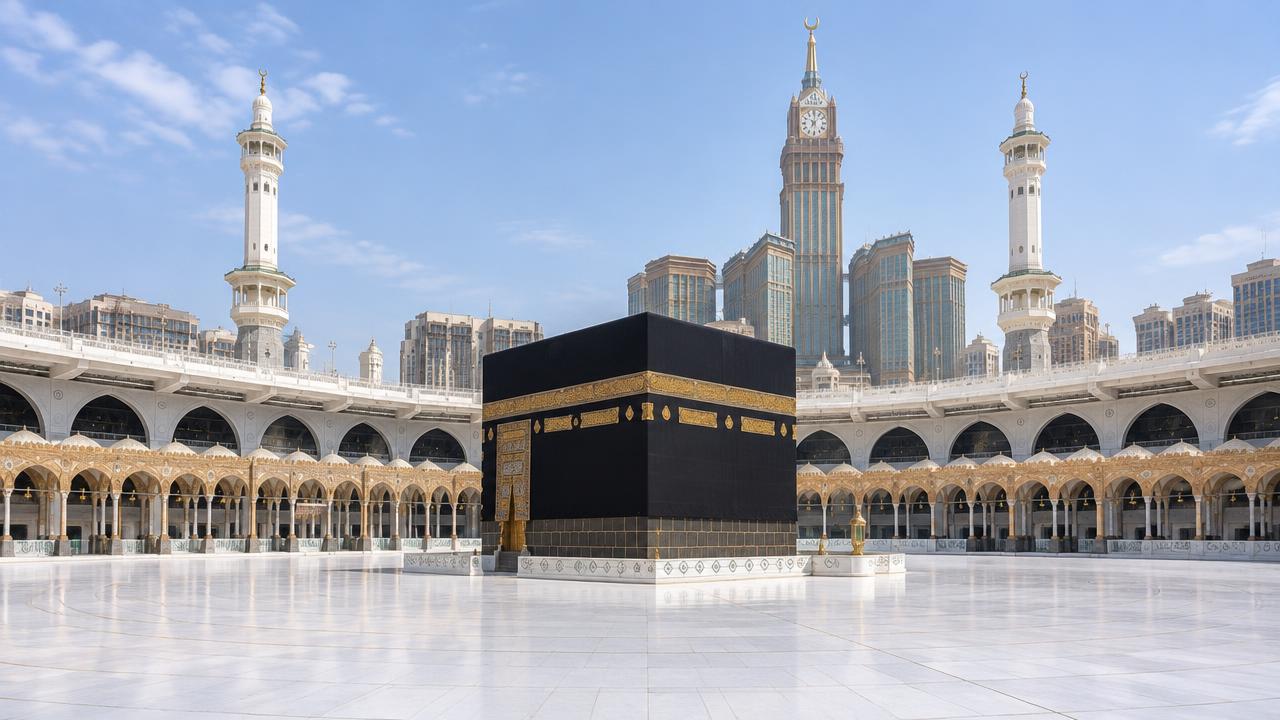
Preparation for Umrah
Preparing heart and journey: intention, adab, taqwa as provision, and valuing time in the Haram.
Imam Sheikh Omar Effendi · 20 July 2026 · 54 min
In summary
This lesson presents Umrah preparation as spiritual and practical work, not merely travel planning. Imam Sheikh Omar Effendi emphasises understanding worship, observing adab and renewing iman so that the journey strengthens one’s relationship with Allah. Drawing particularly on Surah al-Baqarah, he highlights avoiding obscenity, sin and arguments, doing good and taking taqwa as the best provision. Sincere intention should replace motives of leisure, profit or status. Preparation includes consistent obligatory worship, Qur’an reading, seeking forgiveness and readiness in health and safe travel, alongside finances. Pilgrims are encouraged to value their time in the Haram and seek Allah’s forgiveness. The lesson closes with firm intention and trust in Allah, with istikharah introduced as the next topic.
Key takeaways
- 01Learn the meaning, method and etiquette of Umrah before travelling.
- 02Renew your iman and check that your intention is to please Allah.
- 03Strengthen obligatory prayers and do not treat adab or Sunnah practices lightly.
- 04Practise avoiding obscene speech, sin, anger and arguments before departure.
- 05Prepare taqwa alongside money, health and safe travel arrangements.
- 06Build a habit of Qur’an reading; read the translation to develop understanding.
- 07Plan to spend meaningful time in the Haram rather than treating the journey as a holiday.
- 08Seek forgiveness regularly, including saying ‘Astaghfirullah’ three times after salah.
- 09Make a firm intention and place your trust in Allah.
Mentioned in this lesson
- Qur’an, Surah al-Baqarah 2:196–197: completing Hajj and Umrah for Allah; pilgrimage conduct, good deeds and taqwa as provision. These references are explicitly named.
- Qur’an, Surah al-Baqarah: the fasting passage concerning voluntarily doing good is quoted; no verse number is supplied.
- Qur’an: ‘Wal-‘asr’ is quoted in discussing the importance of time.
- Qur’an: the call to proclaim Hajj, arrival from distant routes and witnessing benefits is quoted; no verse numbers are supplied.
- Qur’an, Surah Nuh: seeking forgiveness from the Lord, who is ever-forgiving; no verse number is supplied.
- Qur’an: the closing passage about resolve, trusting Allah and Allah’s love for those who trust Him is quoted; no reference is supplied.
- Hadith attributed to the Prophet ﷺ: iman wearing out like clothing and the instruction to renew iman; collection references are not supplied.
- Hadith cited about rewards for arriving early for Jumu‘ah and the repeated advice, ‘Do not become angry’; collection references are not supplied.
- Hadith narrated by Abu Hurayrah, as cited: whoever performs Hajj for Allah without obscenity or wrongdoing returns free of sin like the day of birth.
- A report attributed to the Prophet ﷺ warns about pilgrimage for holidays, commercial gain, scholarly status or begging; no collection or grading is supplied.
- Hadith quoted: one Umrah to another is an expiation for what occurs between them, and Hajj mabrur has no reward other than Paradise.
- Prophetic practice cited: seeking forgiveness three times after salah, followed by remembrance including ‘Allahumma anta al-salam wa minka al-salam’.
Something to reflect on
What change can I begin now so that my intention, daily worship and treatment of others better prepare me for Umrah?
Did you know?
- • The lesson draws particularly on Surah al-Baqarah for pilgrimage guidance.
- • Reading Qur’an translation is encouraged to develop understanding.
- • Istikharah is introduced as the next lesson’s topic.
Test yourself
0/21Quiz
1. What should pilgrims learn about Umrah before travelling?
2. What should be the pilgrim’s sincere intention?
3. Which worship should pilgrims strengthen during preparation?
4. Which surah is particularly highlighted in the lesson?
5. Which behaviours should pilgrims practise avoiding before departure?
6. What is described as the best provision?
7. Which plan best reflects the lesson’s advice about the Haram?
8. Which practice of seeking forgiveness is specifically mentioned?
9. Which approach most fully reflects preparation for the journey?
10. Which attitude best reflects the lesson’s closing guidance?
True or false
Umrah preparation is merely travel planning.
Adab and Sunnah practices should not be treated lightly.
Reading Qur’an translation is encouraged to develop understanding.
Avoiding arguments is something to practise only after arriving.
Health and safe travel arrangements are part of preparation.
Match-up
Tap a term, then its meaning.
Share this lesson
WhatsAppMore from Umrah 2026
- Lesson 15 · The Solaah of the Traveller (Musaafir): Qasr Solaah
Imam Sheikh Omar Effendi · 9 November 2026 · 56 min
- Lesson 14 · Tahallul; Tawaaful Widaa
Imam Sheikh Omar Effendi · 2 November 2026 · 64 min
- Lesson 13 · Sa'i: Procedure & Shuroot; Adaab of Drinking Zamzam
Imam Sheikh Omar Effendi · 26 October 2026 · 67 min
- Lesson 12 · Tawaf: Shuroot and Sunnan
Imam Sheikh Omar Effendi · 19 October 2026 · 76 min
- Lesson 11 · Arriving in Makkah and Beginning Tawaf
Imam Sheikh Omar Effendi · 12 October 2026 · 72 min
- Lesson 10 · Preparing for Ihram: Miqat, Intention, Prayer and Talbiyah
Imam Sheikh Omar Effendi · 5 October 2026 · 61 min
- Lesson 9 · Umrah Preparation: Miqat Rules, Departure Etiquette and Travel Supplications
Imam Sheikh Omar Effendi · 21 September 2026 · 62 min
- Lesson 8 · Ihram: the Miqat (Demarcation of Place)
Imam Sheikh Omar Effendi · 14 September 2026 · 60 min
- Lesson 7 · Bab al-Umrah: Hajj, Umrah & the Arkan of Umrah
Imam Sheikh Omar Effendi · 7 September 2026 · 59 min
- Lesson 6 · Special Circumstances in Hajj/Umrah: Women in Iddah, Children & Badal
Imam Sheikh Omar Effendi · 31 August 2026 · 68 min
- Lesson 5 · Women: Travel Rulings & the Mahram
Imam Sheikh Omar Effendi · 17 August 2026 · 62 min
- Lesson 4 · Umrah and Concern for the Elderly
Imam Sheikh Omar Effendi · 10 August 2026 · 56 min
- Lesson 3 · The Shurut of Umrah/Hajj & Istita'ah
Imam Sheikh Omar Effendi · 3 August 2026 · 56 min